Choosing the Right CBD Topical Creams for Targeted Relief
Understanding CBD Topical Creams and How They Work
When I first started exploring CBD for muscle pain, I was skeptical about how a cream could make a difference. I had tried menthol rubs and lidocaine patches, and they worked for a while, but something felt missing. Then a friend who runs a small wellness shop handed me a jar of full-spectrum CBD salve. The difference was subtle at first, but after a few days of using it on my sore shoulders, I noticed the ache quieted down in a way that felt more natural than numbing.
CBD topical creams work through a process called topical application. Unlike edibles or vape pens, which enter the bloodstream through digestion or the lungs, these creams deliver cannabidiol directly through the skin. Skin absorption is not instant, but it is targeted. The cannabinoids interact with local receptors in the skin and underlying tissues without overwhelming the entire system. For someone dealing with arthritis in their hands or chronic inflammation from an old injury, this makes a lot of sense. You apply the cream where it hurts, and it works locally.
What Makes a Good CBD Topical Cream?
Not all creams are created equal, and I have learned that the hard way. Early on, I bought a cheap product that listed hemp extract but barely mentioned how much cannabidiol was actually in it. The result was a greasy mess that did nothing. After talking with a pharmacist who specializes in cannabinoid products, I started looking for three things: the type of CBD used, the carrier ingredients, and whether the formula includes complementary compounds.
Full-spectrum CBD tends to work better for pain relief than CBD isolate alone. The reason is the entourage effect, where the various cannabinoids and terpenes in the plant work together. That said, CBD isolate has its place. If you are sensitive to other cannabinoids or want a very pure product, isolate can be a cleaner option. But for general inflammation and muscle pain, I have found full-spectrum extracts more effective.
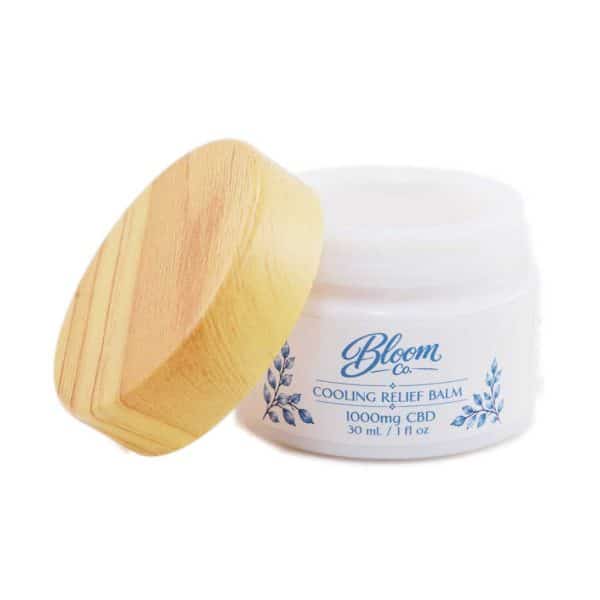
The carrier oil or base matters just as much. Coconut oil and shea butter are common, and for good reason. They help the CBD penetrate the skin barrier and also moisturize. A dry, cracked patch of skin does not absorb well. I have also used creams with eucalyptus oil or menthol, which add a cooling sensation that can distract from pain while the CBD works. Some products include camphor, which has its own mild analgesic properties. When I see a cream with shea butter, coconut oil, and menthol, I know it was formulated with real use in mind.
Real-World Scenarios: When to Use CBD Topical Creams
I keep a jar of my preferred pain relief cream in my gym bag and another by my desk. After a heavy leg day, I rub it into my quads and hamstrings. The menthol kicks in fast, and within twenty minutes the deep soreness feels less sharp. For my mother, who has arthritis in her knees, the routine is different. She uses a salve every morning, massaging it into the joint for about a minute. The effect is cumulative. After a week, she told me she could bend down to pick something up without wincing. That is the kind of result that keeps me recommending CBD topical creams to anyone dealing with localized discomfort.
I have also used a rollerball version for my wrists when typing for long hours. The rollerball format is less messy than a cream, and it lets you apply a thin, even layer. Some brands add lidocaine to their rollerballs, which can be useful for acute flare-ups. But for daily maintenance, I prefer the creams and salves because they stay on the skin longer and allow for deeper absorption.
What to Look for on the Label
Reading labels on CBD topical creams can be confusing at first. Here are a few things I check every time:
- Type of CBD: Look for "full-spectrum CBD" or "CBD isolate" depending on your need. Full-spectrum is better for general inflammation, isolate if you want only cannabidiol.
- Carrier ingredients: Coconut oil, shea butter, or jojoba oil are good signs. Avoid mineral oil or silicone bases that sit on top of the skin.
- Added botanicals: Menthol, camphor, and eucalyptus oil can enhance the experience. They are not essential, but they help.
- Third-party testing: A reputable brand will show a certificate of analysis. This confirms the amount of CBD and checks for contaminants.
- Price per milligram: Do the math. A cheap cream with very little CBD is not a bargain. You want enough active ingredient to make a difference.
I have also learned to avoid products that make wild claims like "cures arthritis in days" or "eliminates all pain." No topical cream can do that. But a well-made cream can reduce inflammation and make daily life more comfortable. That is a realistic benefit.
Comparing Formats: Salves, Creams, and Rollerballs
The format matters more than you might think. A salve is thicker, often made with beeswax and shea butter. It stays where you put it and is great for small areas like knuckles or elbows. A cream is lighter and spreads more easily over larger areas like a back or thigh. A rollerball is convenient for on-the-go use, especially for the neck or wrists, but it usually contains less CBD per application because the rollerball leaves a thin layer.
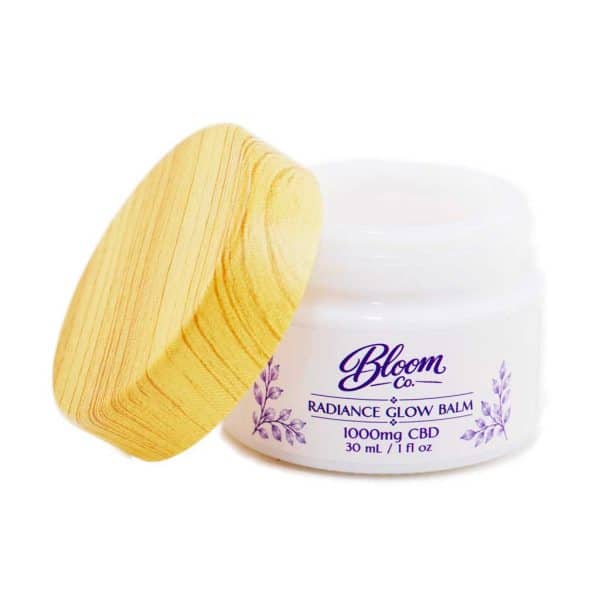
If you are new to CBD topical creams, I would start with a cream in a jar. You can control how much you use and see how your skin reacts. Some people find that menthol or eucalyptus oil can be irritating at first, so test a small patch before covering a large area. I made that mistake once with a camphor-heavy salve, and my forearm turned red for an hour. Lesson learned.
For those with very dry skin, a shea butter-based cream is usually gentler. If you want a cooling effect, look for menthol or eucalyptus oil. If you want something that works fast for acute pain, a rollerball with lidocaine might be the better choice. But for ongoing inflammation and muscle pain, I stick with a full-spectrum cream applied twice a day.
A Note on Sourcing and Quality
I have bought CBD products from several shops, and the quality varies a lot. One thing I appreciate about Kush Station is that they carry products with clear labeling and consistent potency. Whether you choose a pain relief cream, a salve, or a rollerball, you want to know that the hemp extract was sourced responsibly and that the CBD level is accurate. Cheap products with vague labels are usually a waste of money. A slightly more expensive cream that contains real full-spectrum CBD and good carrier oils is worth it.
I also pay attention to the extraction method. CO2 extraction preserves more of the plant's natural compounds than ethanol-based methods. That means the final cream retains more of the beneficial cannabinoids and terpenes. It is a small detail, but it makes a difference in how well the cream works over time.
Final Thoughts on Using CBD Topical Creams
After using various forms of CBD for a couple of years, I keep coming back to topical application for localized issues. The creams are easy to incorporate into a daily routine, and they do not require any special preparation. You just rub them in and go about your day. For anyone dealing with arthritis, muscle pain, or general inflammation, cbd topical creams offer a practical, non-psychoactive option that can complement other treatments.
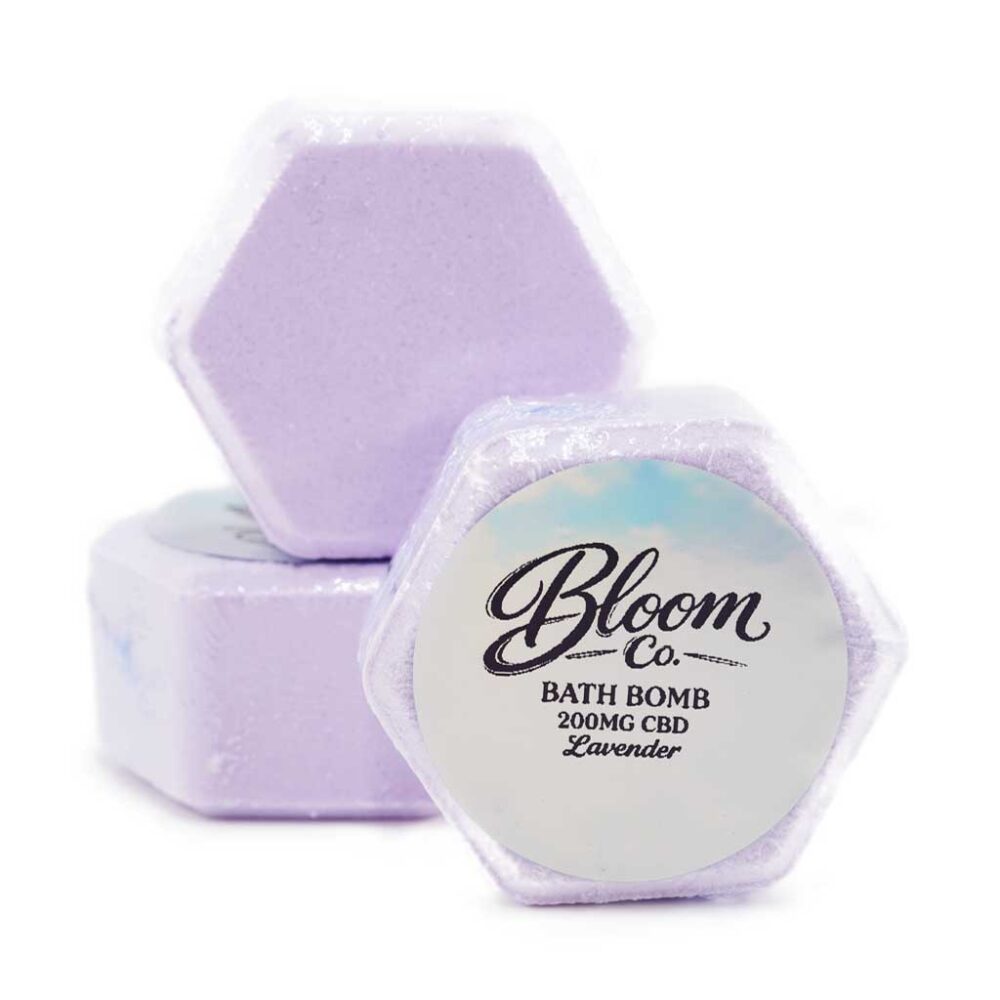
They are not a miracle cure, and they should not replace medical advice for serious conditions. But for everyday soreness and stiffness, they work well. I keep one in my car for after long drives, one in my gym bag, and one in the bathroom cabinet. That might sound excessive, but when you find a product that actually helps, you want it nearby.
If you are curious, start with a small jar of a full-spectrum cream that includes menthol or eucalyptus oil. Apply it after a warm shower when your pores are open and your skin is clean. Give it a week of consistent use. Then decide if it is right for you. That is the only real way to know.